



Federation case study
WBSC turned digital awards into a repeatable championship system
WBSC uses digital awards across multiple competitions, giving athletes official recognition without the materials and logistics of physical trophies.
IOC-recognized impact
99.99%
lower award emissions
The shift from physical trophies to digital awards took estimated award emissions from 4,000 t to 0.5 t CO₂e and became part of the IOC/WBSC sustainability study.
What made the program repeatable
Used across championships, not just one event
Digital awards across multiple WBSC championships and categories in Baseball5, baseball, softball, and eBaseball
Custom trophy concepts for different competitions, including eBaseball
Instant delivery athletes can access worldwide
Recognized by the IOC
99.99% lower award emissions
WBSC's estimated award emissions fell from 4,000 t to 0.5 t CO₂e, and the result was featured in the IOC IF Sustainability Case Study.
Measured sustainability result
WBSC replaced a high-emission awards process with digital delivery and published the result in an IOC-recognized study.
Repeatable federation program
The same approach supported multiple championships across the WBSC calendar instead of staying limited to one launch event.
Recognition that fits a modern sport
The format works for youth-focused, digital-first competitions while keeping the award official and easy to share.
Across championships
One federation program, five different competitions
WBSC runs the same digital awards approach across Baseball5, youth world cups, women's baseball, and eBaseball — each event gets its own identity, none requires a separate setup.

U18 Baseball World Cup — flagship youth competition
Official digital awards delivered at one of the top international youth baseball events, proving the model works under championship pressure.
U15 Softball World Cup — across disciplines
The same program running in softball, showing that one approach covers multiple WBSC disciplines without starting from scratch.
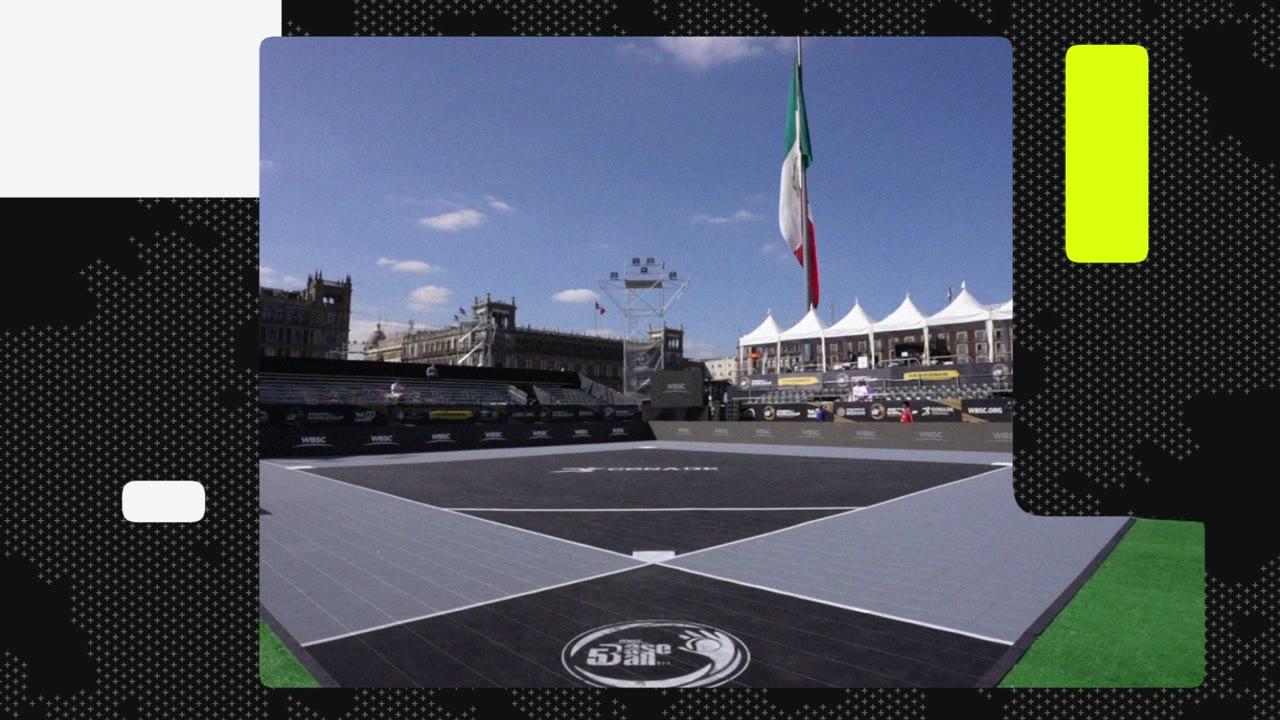
Baseball5 World Cup — built for a new format
Digital awards adapted to WBSC's urban, youth-first competition — the kind of format where physical trophies never made sense.

Women's Baseball World Cup — consistent recognition
Athletes in the women's game receive the same quality of official recognition, delivered through the same federation-wide system.

eBaseball — custom trophy design from concept to delivery
A custom digital trophy created specifically for WBSC's esports competition, showing how each event gets its own identity within the program.
“Our digital project plays a crucial role in achieving this goal, bringing further innovation to our sport while also aligning our organisation with global sustainability efforts.”
Related
Other case studies
Panam Sports and APC
Panam / APC
Panam Sports and APC used digital recognition at continental-event scale in Santiago 2023 and showed program continuity through Asuncion 2025.
International University Sports Federation
FISU
FISU used digital awards across sports and delegations in a university Games setting, proving the experience works where ceremony protocol and institutional presentation matter.
IOC/WBSC study
IOC/WBSC Sustainability Study
The original IOC/WBSC sustainability case — request it here.
Comparison
Digital vs Physical Awards
CO₂, cost, delivery, and capabilities — the full side-by-side comparison.
Planning a digital awards program for your federation?
We'll show you how the model adapts to your championships, event calendar, and sustainability goals.